
European Vehicle Diagnostics For Uncovering Intricate Mechanical And Electronic Problems
Navigating the world of vehicle maintenance can be daunting, especially when it comes to European cars, which often feature advanced technology and intricate systems. If you’ve ever found yourself puzzled by a warning light on your dashboard or unusual sounds coming from your engine, you’re not alone. Understanding how to effectively use European Vehicle Diagnostics can be a game changer in identifying and resolving these complex electronic and mechanical issues.
Getting started with European Vehicle Diagnostics involves knowing what tools and systems are available to you. Many European vehicles come equipped with sophisticated onboard diagnostic (OBD) systems that can provide detailed information about the car’s performance and issues. Investing in a quality OBD-II scanner designed specifically for European models can save you both time and money. Look for one that offers comprehensive data reading, including error codes and real-time sensor data, to give you a clearer picture of what’s happening under the hood.
Once you have access to the right diagnostic tool, you’ll want to familiarize yourself with the common issues that plague European vehicles. For instance, you may notice that certain models frequently experience electrical system failures or intricate mechanical problems, often linked to their advanced features like adaptive cruise control or automatic parking. Understanding these common pitfalls can help you narrow down potential issues when the diagnostic tool presents you with a list of error codes.
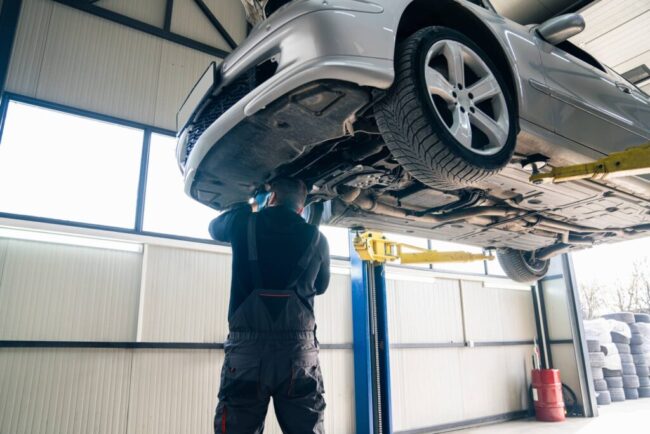
When you run your European Vehicle Diagnostics, take the time to analyze the results carefully. Error codes can sometimes be misleading or point to multiple potential issues. It’s crucial to cross-reference the codes you receive with a reliable database or manual specific to your vehicle make and model. This not only helps clarify what each code means but also guides you in prioritizing repairs based on severity and safety concerns.
After diagnosing the issue, the next step is deciding how to address it. While some problems might be straightforward and within your DIY capabilities, others may require professional expertise, especially if they involve complex systems like the engine management or transmission. In such cases, having a trusted mechanic who is well-versed in European vehicles can make all the difference. They can interpret the diagnostic results accurately and recommend the best course of action, ensuring your car runs smoothly and safely.
In conclusion, understanding European Vehicle Diagnostics is not just about fixing problems; it’s about empowering you as a car owner. By mastering these diagnostic tools and understanding your vehicle’s needs, you can tackle issues head-on, avoid unnecessary repairs, and keep your car operating at peak performance. Whether you’re a seasoned car enthusiast or a new owner, embracing the world of diagnostics opens up new avenues for managing your vehicle’s health effectively.